Exploring the hidden psychological impacts of gambling on decision-making
The Nature of Gambling Psychology
Gambling is more than just a game of chance; it delves deep into the psychology of human behavior. Understanding how individuals make decisions when faced with the thrill of potential rewards is crucial. The anticipation of winning often influences cognitive processes, creating a complex interplay between emotion and logic. Some bettors find themselves captivated by the thrill and may even look for a non gamstop casino to explore more exciting options.

This psychological dynamic manifests through various cognitive biases, such as the illusion of control. Gamblers often believe they can influence outcomes, which can skew their decision-making. This false sense of agency can lead to repeated betting, even when the odds are clearly against them, showcasing the powerful hold gambling can have on the mind.
The Role of Emotions in Gambling Decisions
Emotions play a significant role in how individuals approach gambling. The excitement of a potential win can trigger a rush of adrenaline, compelling players to make impulsive choices. This emotional high can cloud judgment, leading to decisions that may not align with a player’s rational assessment of the situation.
Moreover, feelings of loss can drive gamblers to chase their losses, resulting in a cycle of risky behavior. The desire to recover lost money often leads to further betting, which can exacerbate financial and psychological distress. Understanding these emotional triggers is essential for grasping the overall impact of gambling on decision-making.
The Influence of Social Factors
Social dynamics also significantly influence gambling behavior. Group settings can amplify the excitement and pressure to gamble, often leading to poor decision-making. Social proof plays a role, where individuals are influenced by the actions and beliefs of their peers, encouraging them to participate even when it may not be in their best interest.
Additionally, cultural attitudes towards gambling can impact individual decision-making. In environments where gambling is normalized or glamorized, individuals may be more inclined to take risks. Recognizing how social context shapes gambling behavior is vital for understanding its psychological implications.
The Consequences of Problem Gambling
The psychological impact of gambling can lead to significant consequences, particularly for those who develop problematic behaviors. Compulsive gambling can result in emotional turmoil, including anxiety and depression, which further influences decision-making capabilities. Individuals may find themselves in a vicious cycle, where their mental state deteriorates, leading to even more reckless gambling.
As individuals struggle to manage their gambling habits, they may experience isolation, strained relationships, and financial ruin. The combination of these stressors creates a challenging environment for rational decision-making, making it critical to address both the psychological and practical aspects of gambling addiction.
Ensuring a Secure Online Experience
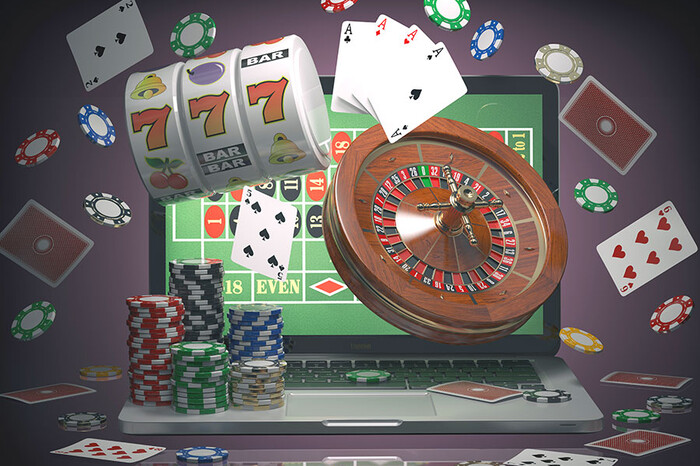
When exploring the psychological impacts of gambling, it’s also essential to consider the digital landscape. Many individuals engage in online gambling, where the accessibility and anonymity can heighten the risks associated with gambling behavior. Protecting oneself online while navigating these platforms is crucial for maintaining a safe gambling experience.
Websites dedicated to educating users about the risks and providing support for those struggling with gambling addiction play an important role. They often highlight the importance of understanding psychological influences and fostering responsible gambling habits to promote a healthier interaction with gambling.